War, Terrorism, and Political Violence Insurance

0,00

Standard commercial property and business interruption insurance does not cover losses resulting from war, terrorism, or political violence. Given today’s dynamic and constantly changing geopolitical situation, it is important to fill this gap.

Share

Description

War, Terrorism, and Political Violence Insurance provides essential financial protection for commercial clients against risks that were previously considered “unlikely” but are now a reality.

Why us?

  • Experience in dealing with multinational clients across a wide range of sectors – we provide insurance to companies of all sizes.
  • A+ security rating – the highest quality in the insurance market.
  • Breadth of coverage – we can offer additional insurance extensions for better protection.
  • Quick quotations thanks to our long-standing relations with Lloyd’s of London.
  • Consultative approach when dealing with clients – we provide technical assistance throughout the entire policy period including post-incident support.

What risks are covered?

This insurance typically covers physical damage and loss of income resulting directly from:

  • Terrorist acts: When someone uses violence for political, religious, or ideological reasons.
  • Sabotage: When someone with political motives secretly damages property.
  • Malicious Damage: When someone causes physical damage during a disturbance of public peace.
  • Riots, Strikes, and Civil Unrest: When a protest or a large crowd becomes uncontrollable.
  • Political Violence: When there is an uprising, coup, or rebellion in a country.
  • War and civil war: When a country is at war with another country or when people are at war with each other within the same country. This includes unofficial (undeclared) war.

Examples of covered events:

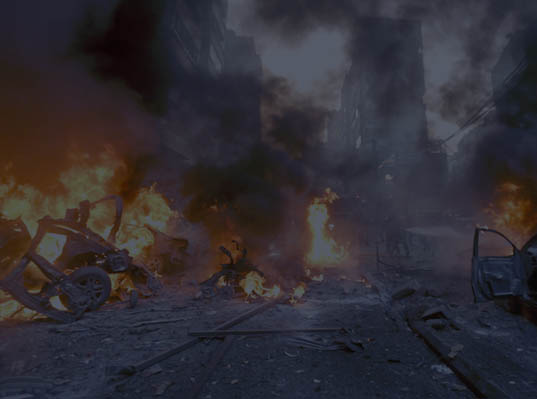
  • A rocket or drone from a neighboring country hits a commercial warehouse, destroying the building and its contents.
  • A military coup takesplace and a faction of armed rebels occupies administrative buildings, causing significant damage during clashes with government forces.
  • A protest turns violent, and a rampaging mob smashes the windows of a retail shop, throws bottles of flammable liquid which sets the building on fire.
  • A group of people financed by a hostile country enters a factory and sets it on fire or damages critical machinery, etc., thus halting production.
  • A bomb explodes in a shopping center, damaging the building’s structure and destroying several stores.

Need a consultation? Contact our specialist:

Julius Degutis Colemont

Julius Degutis
Executive Director – Head of Global Risks

FAQ:
Yes. The definition of “war” in these agreements is broad and does not require an official declaration of war to apply.

The exception only applies when two or more of the five great powers (the US, the UK, France, Russia, China) are at war with each other. One major power helping another (e.g., by sending weapons, as in Ukraine) does not trigger this rule.

No. This policy covers physical damage. If the building is simply occupied but nothing is damaged, there will be no compensation.

Insurers are prepared for this. They use satellite images, conduct “remote inspections,” and other modern tools to assess and confirm damage from a distance.

The insurance company will still pay if the cause of the damage is one of the insured events. In other words, if it is determined that the event was political in nature, then the insurance is valid.

It is based on the full replacement value, which is the cost of repairing or rebuilding the building to its condition prior to the damage, as in normal property insurance.

Yes, this is usually possible if the bank is not included in the sanctions list. The insurer will transfer the money to the person specified in the insurance policy.